


265 Résultats
Classification:
livres
livres
Actions:
Prix:
$58.95
(disponible sur commande)
Résumé:
Museum directors are beginning to question the role of their museums in the production of knowledge and participation, in creating links between the present and the past. Museum education has evolved as a practice in its own right, questioning, expanding, and transforming exhibitions and institutions. How does museum work change if we conceive of curating and education as(...)
$58.95
(disponible sur commande)
Résumé:
Museum directors are beginning to question the role of their museums in the production of knowledge and participation, in creating links between the present and the past. Museum education has evolved as a practice in its own right, questioning, expanding, and transforming exhibitions and institutions. How does museum work change if we conceive of curating and education as(...)
Titre:
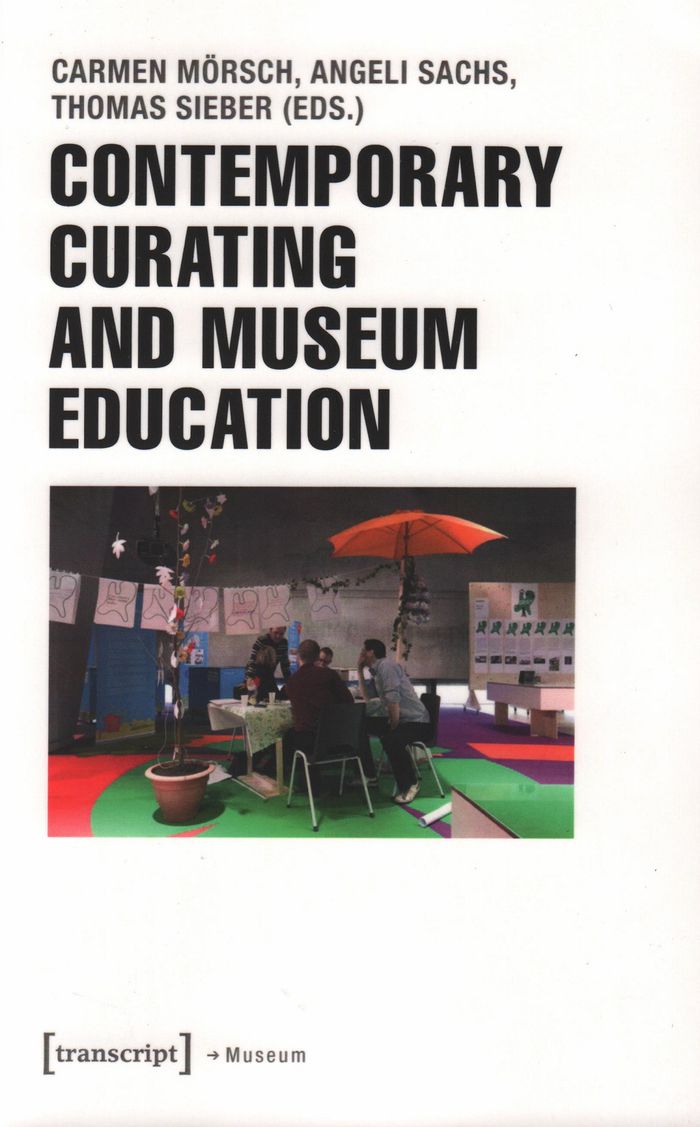
Contemporary curating and museum education
Actions:
Prix:
$58.95
(disponible sur commande)
Résumé:
Museum directors are beginning to question the role of their museums in the production of knowledge and participation, in creating links between the present and the past. Museum education has evolved as a practice in its own right, questioning, expanding, and transforming exhibitions and institutions. How does museum work change if we conceive of curating and education as an integrated practice? In this anthology, scholars employed at a range of museums address this question.
Contemporary curating and museum education
Actions:
Prix:
$58.95
(disponible sur commande)
Résumé:
Museum directors are beginning to question the role of their museums in the production of knowledge and participation, in creating links between the present and the past. Museum education has evolved as a practice in its own right, questioning, expanding, and transforming exhibitions and institutions. How does museum work change if we conceive of curating and education as an integrated practice? In this anthology, scholars employed at a range of museums address this question.
Classification:
livres
livres
Publication:
février 2016
février 2016
Sujet:
Muséologie
Muséologie
Classification:
livres
livres
Actions:
Prix:
$70.00
(disponible sur commande)
Résumé:
How many times have you heard the term “curate” in the past few years? But what exactly does it mean? Curating has been a key concept both in and outside the art world in the past few years, with the remit of what a curator does having changed and expanded with each new exhibition or biennale. With an emphasis on the "now" and the most recent exhibitions, this book(...)
$70.00
(disponible sur commande)
Résumé:
How many times have you heard the term “curate” in the past few years? But what exactly does it mean? Curating has been a key concept both in and outside the art world in the past few years, with the remit of what a curator does having changed and expanded with each new exhibition or biennale. With an emphasis on the "now" and the most recent exhibitions, this book(...)
Titre:
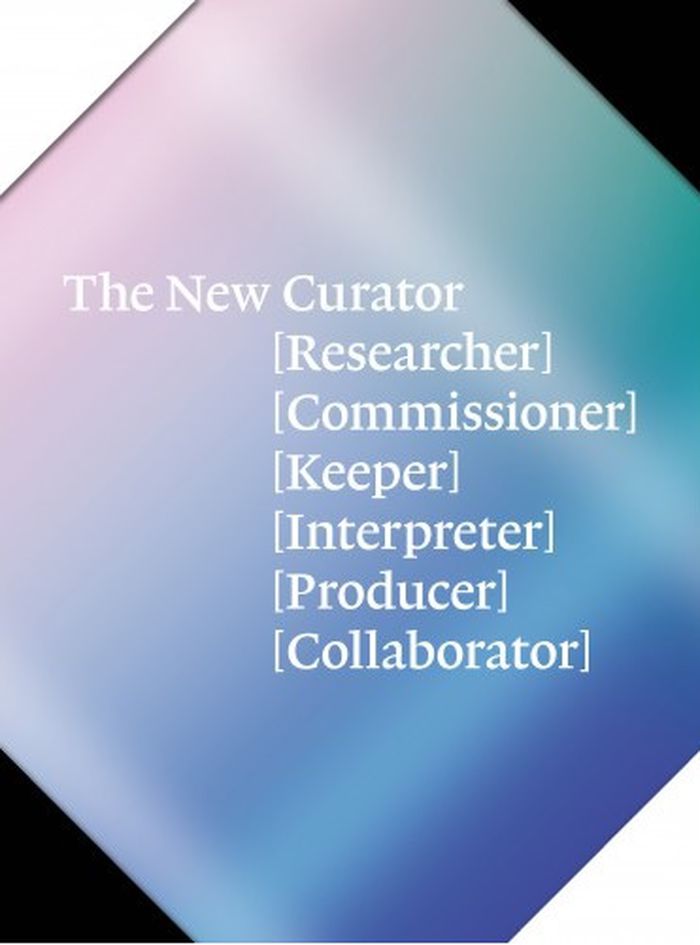
The new curator: researcher, commisioner, keeper, interpreter, producer, collaborator
Actions:
Prix:
$70.00
(disponible sur commande)
Résumé:
How many times have you heard the term “curate” in the past few years? But what exactly does it mean? Curating has been a key concept both in and outside the art world in the past few years, with the remit of what a curator does having changed and expanded with each new exhibition or biennale. With an emphasis on the "now" and the most recent exhibitions, this book examines the variety and richness of curating practices today, from public commissions such as Art Angel to experimental projects such as the Ghetto Biennale in Haiti, or the Rhizome digital archive.
The new curator: researcher, commisioner, keeper, interpreter, producer, collaborator
Actions:
Prix:
$70.00
(disponible sur commande)
Résumé:
How many times have you heard the term “curate” in the past few years? But what exactly does it mean? Curating has been a key concept both in and outside the art world in the past few years, with the remit of what a curator does having changed and expanded with each new exhibition or biennale. With an emphasis on the "now" and the most recent exhibitions, this book examines the variety and richness of curating practices today, from public commissions such as Art Angel to experimental projects such as the Ghetto Biennale in Haiti, or the Rhizome digital archive.
Classification:
livres
livres
Publication:
avril 2016
avril 2016
Sujet:
Muséologie
Muséologie
Classification:
livres
livres
Actions:
Prix:
$32.50
(disponible sur commande)
Résumé:
Between 1969 and 1974, Lucy Lippard curated four exhibitions of contemporary art, which have become renowned as her “numbers shows.” Each took the population of the city in which it was shown as its title: 557,087 in Seattle, 955,000 in Vancouver, 2,972,453 in Buenos Aires and c. 7,500, which opened in Valencia, California, before touring the U.S. and then traveling to(...)
$32.50
(disponible sur commande)
Résumé:
Between 1969 and 1974, Lucy Lippard curated four exhibitions of contemporary art, which have become renowned as her “numbers shows.” Each took the population of the city in which it was shown as its title: 557,087 in Seattle, 955,000 in Vancouver, 2,972,453 in Buenos Aires and c. 7,500, which opened in Valencia, California, before touring the U.S. and then traveling to(...)
Titre:
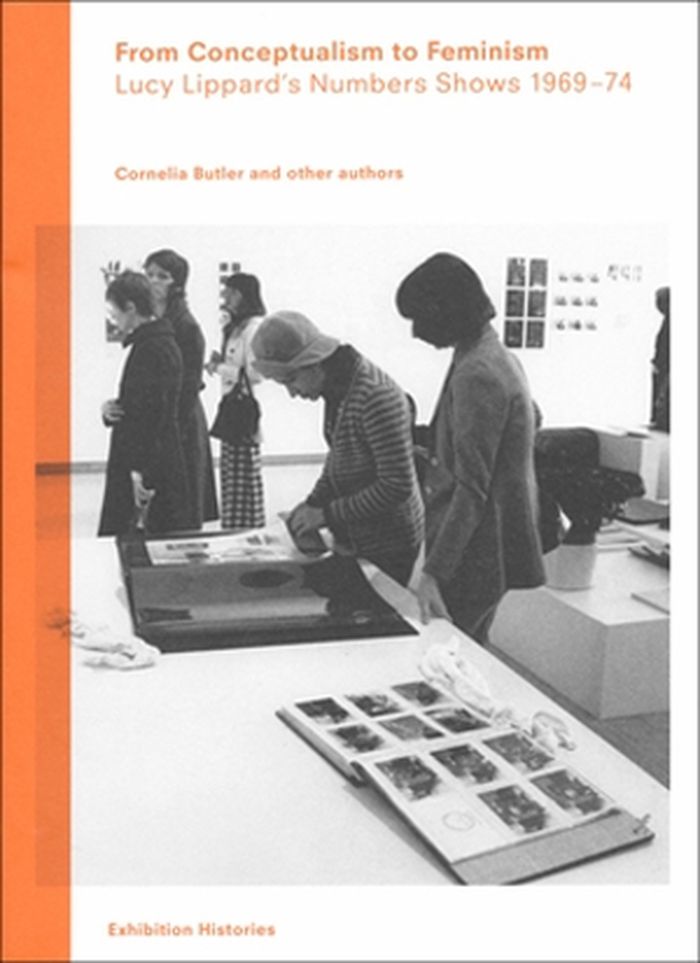
From conceptualism to feminism: Lucy Lippard’s numbers shows,1969-74
Actions:
Prix:
$32.50
(disponible sur commande)
Résumé:
Between 1969 and 1974, Lucy Lippard curated four exhibitions of contemporary art, which have become renowned as her “numbers shows.” Each took the population of the city in which it was shown as its title: 557,087 in Seattle, 955,000 in Vancouver, 2,972,453 in Buenos Aires and c. 7,500, which opened in Valencia, California, before touring the U.S. and then traveling to London. From Conceptualism to Feminism follows Lippard’s curatorial trajectory, analyzing her transition from a writer about art to a maker of exhibitions, and tracing her growing political engagement and involvement with feminism. Extensive photographic material is complemented by a major new essay by Cornelia Butler and interviews with Lucy Lippard, Seth Siegelaub and with artists in c. 7,500. The volume also includes an analysis of artists’ initiatives in Argentina, which give a context for Lippard’s emerging political consciousness. From Conceptualism to Feminism is the third publication in Afterall’s Exhibition Histories series, which investigates exhibitions that have shaped the way contemporary art is experienced, made and discussed.
From conceptualism to feminism: Lucy Lippard’s numbers shows,1969-74
Actions:
Prix:
$32.50
(disponible sur commande)
Résumé:
Between 1969 and 1974, Lucy Lippard curated four exhibitions of contemporary art, which have become renowned as her “numbers shows.” Each took the population of the city in which it was shown as its title: 557,087 in Seattle, 955,000 in Vancouver, 2,972,453 in Buenos Aires and c. 7,500, which opened in Valencia, California, before touring the U.S. and then traveling to London. From Conceptualism to Feminism follows Lippard’s curatorial trajectory, analyzing her transition from a writer about art to a maker of exhibitions, and tracing her growing political engagement and involvement with feminism. Extensive photographic material is complemented by a major new essay by Cornelia Butler and interviews with Lucy Lippard, Seth Siegelaub and with artists in c. 7,500. The volume also includes an analysis of artists’ initiatives in Argentina, which give a context for Lippard’s emerging political consciousness. From Conceptualism to Feminism is the third publication in Afterall’s Exhibition Histories series, which investigates exhibitions that have shaped the way contemporary art is experienced, made and discussed.
Classification:
livres
livres
Publication:
août 2012
août 2012
Sujet:
Muséologie
Muséologie
Classification:
livres
livres

Actions:
Prix:
$56.95
(disponible sur commande)
Résumé:
The study of the museum visitor has undergone a radical transformation. This collection brings together imaginative research that encourages new conclusions. Some questions involve the visitor's identity, what she brings to her museum experience. Can we gain entry into this experience? Does more technology really increase access to the objects themselves? Others probe the(...)
$56.95
(disponible sur commande)
Résumé:
The study of the museum visitor has undergone a radical transformation. This collection brings together imaginative research that encourages new conclusions. Some questions involve the visitor's identity, what she brings to her museum experience. Can we gain entry into this experience? Does more technology really increase access to the objects themselves? Others probe the(...)
Titre:
Visiting the visitor: an enquiry into the visitor business in museums
Actions:
Prix:
$56.95
(disponible sur commande)
Résumé:
The study of the museum visitor has undergone a radical transformation. This collection brings together imaginative research that encourages new conclusions. Some questions involve the visitor's identity, what she brings to her museum experience. Can we gain entry into this experience? Does more technology really increase access to the objects themselves? Others probe the very nature of museum-going and exhibition making, demanding that we reexamine the traditional exhibition to reposition the visitor and her meaning-making at the center. Each author here has asked unfamiliar questions and responded with fresh answers.
Visiting the visitor: an enquiry into the visitor business in museums
Actions:
Prix:
$56.95
(disponible sur commande)
Résumé:
The study of the museum visitor has undergone a radical transformation. This collection brings together imaginative research that encourages new conclusions. Some questions involve the visitor's identity, what she brings to her museum experience. Can we gain entry into this experience? Does more technology really increase access to the objects themselves? Others probe the very nature of museum-going and exhibition making, demanding that we reexamine the traditional exhibition to reposition the visitor and her meaning-making at the center. Each author here has asked unfamiliar questions and responded with fresh answers.
Classification:
livres
livres
Publication:
octobre 2016
octobre 2016
Sujet:
Muséologie
Muséologie
Classification:
livres
livres

Actions:
Prix:
$34.95
(disponible sur commande)
Résumé:
A curatorial situation is always one of hospitality. It implies invitations to artists, artworks, curators, audiences, and institutions; people and objects are received, welcomed, and temporarily brought together. It offers resources for material and physical support while also responding to a need for recognition, respect, or attention. Finally, and very importantly, a(...)
$34.95
(disponible sur commande)
Résumé:
A curatorial situation is always one of hospitality. It implies invitations to artists, artworks, curators, audiences, and institutions; people and objects are received, welcomed, and temporarily brought together. It offers resources for material and physical support while also responding to a need for recognition, respect, or attention. Finally, and very importantly, a(...)
Titre:
Cultures of the curatorial 3: Hospitality. Hosting relations in exhibitions
Actions:
Prix:
$34.95
(disponible sur commande)
Résumé:
A curatorial situation is always one of hospitality. It implies invitations to artists, artworks, curators, audiences, and institutions; people and objects are received, welcomed, and temporarily brought together. It offers resources for material and physical support while also responding to a need for recognition, respect, or attention. Finally, and very importantly, a curatorial situation operates in the space between an unconditional acceptance of the other and exclusions legitimized through various rules and regulations. This publication analyzes, from the perspective of hospitality, the curatorial within the current sociopolitical context through key topics concerning immigration, conditions along borders, and accommodations for refugees. The contributions in this volume, by international curators, artists, critics, and theoreticians, deal with conditions of decontextualization and displacement, encounters between the local and the foreign, as well as the satisfaction of basic human needs.
Cultures of the curatorial 3: Hospitality. Hosting relations in exhibitions
Actions:
Prix:
$34.95
(disponible sur commande)
Résumé:
A curatorial situation is always one of hospitality. It implies invitations to artists, artworks, curators, audiences, and institutions; people and objects are received, welcomed, and temporarily brought together. It offers resources for material and physical support while also responding to a need for recognition, respect, or attention. Finally, and very importantly, a curatorial situation operates in the space between an unconditional acceptance of the other and exclusions legitimized through various rules and regulations. This publication analyzes, from the perspective of hospitality, the curatorial within the current sociopolitical context through key topics concerning immigration, conditions along borders, and accommodations for refugees. The contributions in this volume, by international curators, artists, critics, and theoreticians, deal with conditions of decontextualization and displacement, encounters between the local and the foreign, as well as the satisfaction of basic human needs.
Classification:
livres
livres
Publication:
juillet 2016
juillet 2016
Sujet:
Muséologie
Muséologie
Classification:
livres
livres
Actions:
Prix:
$44.00
(disponible en magasin)
Résumé:
In an empty factory unit tucked away in Berlin’s Köpenicker Strasse, The Proletarian Building Exhibition was mounted with the humblest of resources in 1931. It marked the first action by a group of revolutionary architects, builders, and students forming the Kollektiv für sozialistisches Bauen under the architect Arthur Korn. Taking aim at modernist architects(...)
$44.00
(disponible en magasin)
Résumé:
In an empty factory unit tucked away in Berlin’s Köpenicker Strasse, The Proletarian Building Exhibition was mounted with the humblest of resources in 1931. It marked the first action by a group of revolutionary architects, builders, and students forming the Kollektiv für sozialistisches Bauen under the architect Arthur Korn. Taking aim at modernist architects(...)
Publication:
mai 2016
mai 2016
Titre:
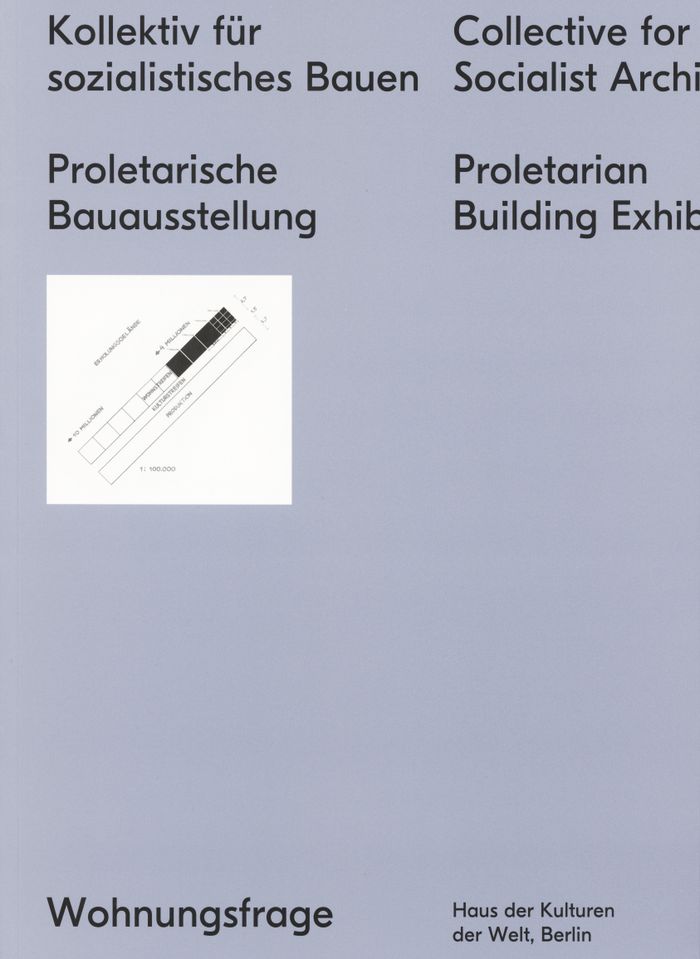
Collective for a socialist architecture: proletarian building exhibition 1931
Actions:
Prix:
$44.00
(disponible en magasin)
Résumé:
In an empty factory unit tucked away in Berlin’s Köpenicker Strasse, The Proletarian Building Exhibition was mounted with the humblest of resources in 1931. It marked the first action by a group of revolutionary architects, builders, and students forming the Kollektiv für sozialistisches Bauen under the architect Arthur Korn. Taking aim at modernist architects participating in the German Building Exhibition and CIAM, they cast architecture as an instrument of power, questioned capitalist solutions to the housing question, and unveiled planning approaches imported from the then-Soviet Union. A full facsimile of the exhibition manifesto/catalog and exhibition panels is featured in addition to contributing essays by contemporary architects, writers and educators, and the Collectives’ Annual Report including a proposed work program and statement of intent. Historical photos are interspersed throughout providing a full reconstruction of this significant architectural and sociopolitical event.
Collective for a socialist architecture: proletarian building exhibition 1931
Actions:
Prix:
$44.00
(disponible en magasin)
Résumé:
In an empty factory unit tucked away in Berlin’s Köpenicker Strasse, The Proletarian Building Exhibition was mounted with the humblest of resources in 1931. It marked the first action by a group of revolutionary architects, builders, and students forming the Kollektiv für sozialistisches Bauen under the architect Arthur Korn. Taking aim at modernist architects participating in the German Building Exhibition and CIAM, they cast architecture as an instrument of power, questioned capitalist solutions to the housing question, and unveiled planning approaches imported from the then-Soviet Union. A full facsimile of the exhibition manifesto/catalog and exhibition panels is featured in addition to contributing essays by contemporary architects, writers and educators, and the Collectives’ Annual Report including a proposed work program and statement of intent. Historical photos are interspersed throughout providing a full reconstruction of this significant architectural and sociopolitical event.
Classification:
livres
livres
Publication:
mai 2016
mai 2016
Classification:
livres
livres

Titre:
Management of art galleries
Management of art galleries
Actions:
Prix:
$35.00
(disponible sur commande)
Résumé:
What makes a commercial art gallery successful? How do galleries get their marketing right? Which potential customer group is the most attractive? How best should galleries approach new markets while still serving their existing audiences? Based on the results of an anonymous survey sent to 8,000 art dealers in the US, UK, and Germany, Magnus Resch's insightful(...)
$35.00
(disponible sur commande)
Résumé:
What makes a commercial art gallery successful? How do galleries get their marketing right? Which potential customer group is the most attractive? How best should galleries approach new markets while still serving their existing audiences? Based on the results of an anonymous survey sent to 8,000 art dealers in the US, UK, and Germany, Magnus Resch's insightful(...)
Titre:
Management of art galleries
Actions:
Prix:
$35.00
(disponible sur commande)
Résumé:
What makes a commercial art gallery successful? How do galleries get their marketing right? Which potential customer group is the most attractive? How best should galleries approach new markets while still serving their existing audiences? Based on the results of an anonymous survey sent to 8,000 art dealers in the US, UK, and Germany, Magnus Resch's insightful examination of the business of selling art is a compelling read that is both aspirational and practical in its approach.
Management of art galleries
Actions:
Prix:
$35.00
(disponible sur commande)
Résumé:
What makes a commercial art gallery successful? How do galleries get their marketing right? Which potential customer group is the most attractive? How best should galleries approach new markets while still serving their existing audiences? Based on the results of an anonymous survey sent to 8,000 art dealers in the US, UK, and Germany, Magnus Resch's insightful examination of the business of selling art is a compelling read that is both aspirational and practical in its approach.
Classification:
livres
livres
Publication:
novembre 2016
novembre 2016
Sujet:
Muséologie
Muséologie
Classification:
livres
livres

Actions:
Prix:
$34.95
(disponible sur commande)
Résumé:
This seventh volume in Afterall’s Exhibitions Histories series focuses on the radical project ‘an Exhibit’ (at the ICA, London in 1957), which emerged from a decade of testing the formats and possibilities of exhibition-making. A collaboration between two artists, Richard Hamilton and Victor Pasmore, and a critic and curator, Lawrence Alloway, the show was(...)
$34.95
(disponible sur commande)
Résumé:
This seventh volume in Afterall’s Exhibitions Histories series focuses on the radical project ‘an Exhibit’ (at the ICA, London in 1957), which emerged from a decade of testing the formats and possibilities of exhibition-making. A collaboration between two artists, Richard Hamilton and Victor Pasmore, and a critic and curator, Lawrence Alloway, the show was(...)
Titre:
Exhibition, design, participation: 'an exhibit' 1957 and related projects
Actions:
Prix:
$34.95
(disponible sur commande)
Résumé:
This seventh volume in Afterall’s Exhibitions Histories series focuses on the radical project ‘an Exhibit’ (at the ICA, London in 1957), which emerged from a decade of testing the formats and possibilities of exhibition-making. A collaboration between two artists, Richard Hamilton and Victor Pasmore, and a critic and curator, Lawrence Alloway, the show was simultaneously an investigation into abstract environmental forms and a participatory experiment that would fundamentally transform the role of the viewer.
Exhibition, design, participation: 'an exhibit' 1957 and related projects
Actions:
Prix:
$34.95
(disponible sur commande)
Résumé:
This seventh volume in Afterall’s Exhibitions Histories series focuses on the radical project ‘an Exhibit’ (at the ICA, London in 1957), which emerged from a decade of testing the formats and possibilities of exhibition-making. A collaboration between two artists, Richard Hamilton and Victor Pasmore, and a critic and curator, Lawrence Alloway, the show was simultaneously an investigation into abstract environmental forms and a participatory experiment that would fundamentally transform the role of the viewer.
Classification:
livres
livres
Publication:
août 2016
août 2016
Sujet:
Muséologie
Muséologie
Classification:
livres
livres

Actions:
Prix:
$28.95
(disponible sur commande)
Résumé:
The Spy Museum, the Vacuum Cleaner Museum, the National Mustard Museum—not to mention the Art Institute, the Museum of Modern Art, and the Getty Center: museums have never been more robust, curating just about everything there is and assuming a new prominence in public life. The Return of Curiosity explores museums in the modern age, offering a fresh perspective on some(...)
$28.95
(disponible sur commande)
Résumé:
The Spy Museum, the Vacuum Cleaner Museum, the National Mustard Museum—not to mention the Art Institute, the Museum of Modern Art, and the Getty Center: museums have never been more robust, curating just about everything there is and assuming a new prominence in public life. The Return of Curiosity explores museums in the modern age, offering a fresh perspective on some(...)
Titre:
The return of curiosity: what museums are good for in the 21st century
Actions:
Prix:
$28.95
(disponible sur commande)
Résumé:
The Spy Museum, the Vacuum Cleaner Museum, the National Mustard Museum—not to mention the Art Institute, the Museum of Modern Art, and the Getty Center: museums have never been more robust, curating just about everything there is and assuming a new prominence in public life. The Return of Curiosity explores museums in the modern age, offering a fresh perspective on some of our most important cultural institutions and the vital function they serve as stewards of human and natural history. Reflecting on art galleries, science and history institutions, and collections all around the world, Nicholas Thomas argues that, in times marked by incredible insecurity and turbulence, museums help us sustain and enrich society. Moreover, they stimulate us to think in new ways about our world, compelling our curiosity and showing us the importance of understanding one another. Thomas looks at museums not simply as storehouses of old things but as the products of meaningful relationships between curators, the public, history, and culture. These relationships, he shows, don’t always go smoothly, but they do always offer new insights into the many ways we value—and try to preserve—the world we live in.
The return of curiosity: what museums are good for in the 21st century
Actions:
Prix:
$28.95
(disponible sur commande)
Résumé:
The Spy Museum, the Vacuum Cleaner Museum, the National Mustard Museum—not to mention the Art Institute, the Museum of Modern Art, and the Getty Center: museums have never been more robust, curating just about everything there is and assuming a new prominence in public life. The Return of Curiosity explores museums in the modern age, offering a fresh perspective on some of our most important cultural institutions and the vital function they serve as stewards of human and natural history. Reflecting on art galleries, science and history institutions, and collections all around the world, Nicholas Thomas argues that, in times marked by incredible insecurity and turbulence, museums help us sustain and enrich society. Moreover, they stimulate us to think in new ways about our world, compelling our curiosity and showing us the importance of understanding one another. Thomas looks at museums not simply as storehouses of old things but as the products of meaningful relationships between curators, the public, history, and culture. These relationships, he shows, don’t always go smoothly, but they do always offer new insights into the many ways we value—and try to preserve—the world we live in.
Classification:
livres
livres
Publication:
août 2016
août 2016
Sujet:
Muséologie
Muséologie
Classification:
livres
livres
Actions:
Prix:
$105.00
(disponible sur commande)
Résumé:
The experience of engaging with art and history has been utterly transformed by information and communications technology in recent decades. We now have virtual, mediated access to countless heritage collections and assemblages of artworks, which we intuitively browse and navigate in a way that wasn’t possible until very recently. This collection of essays takes(...)
$105.00
(disponible sur commande)
Résumé:
The experience of engaging with art and history has been utterly transformed by information and communications technology in recent decades. We now have virtual, mediated access to countless heritage collections and assemblages of artworks, which we intuitively browse and navigate in a way that wasn’t possible until very recently. This collection of essays takes(...)
Titre:
Museums in a digital culture: how art and heritage became meaningful
Actions:
Prix:
$105.00
(disponible sur commande)
Résumé:
The experience of engaging with art and history has been utterly transformed by information and communications technology in recent decades. We now have virtual, mediated access to countless heritage collections and assemblages of artworks, which we intuitively browse and navigate in a way that wasn’t possible until very recently. This collection of essays takes up the question of the cultural meaning of the information and communications technology that makes these new engagements possible, asking questions like: How should we theorize the sensory experience of art and heritage? What does information technology mean for the authority and ownership of heritage?
Museums in a digital culture: how art and heritage became meaningful
Actions:
Prix:
$105.00
(disponible sur commande)
Résumé:
The experience of engaging with art and history has been utterly transformed by information and communications technology in recent decades. We now have virtual, mediated access to countless heritage collections and assemblages of artworks, which we intuitively browse and navigate in a way that wasn’t possible until very recently. This collection of essays takes up the question of the cultural meaning of the information and communications technology that makes these new engagements possible, asking questions like: How should we theorize the sensory experience of art and heritage? What does information technology mean for the authority and ownership of heritage?
Classification:
livres
livres
Publication:
octobre 2016
octobre 2016
Sujet:
Muséologie
Muséologie


