


885 Résultats
Classification:
livres
livres
Actions:
Prix:
$13.99
(disponible en magasin)
Résumé:
An endling is the last known individual of a species; when that individual dies, the species becomes extinct. These "last individuals" are poignant characters in the stories that humans tell themselves about today’s Anthropocene. In this evocative work, Lydia Pyne explores how discussion about endlings draws on deep traditions of storytelling across a variety of narrative(...)
$13.99
(disponible en magasin)
Résumé:
An endling is the last known individual of a species; when that individual dies, the species becomes extinct. These "last individuals" are poignant characters in the stories that humans tell themselves about today’s Anthropocene. In this evocative work, Lydia Pyne explores how discussion about endlings draws on deep traditions of storytelling across a variety of narrative(...)
Titre:
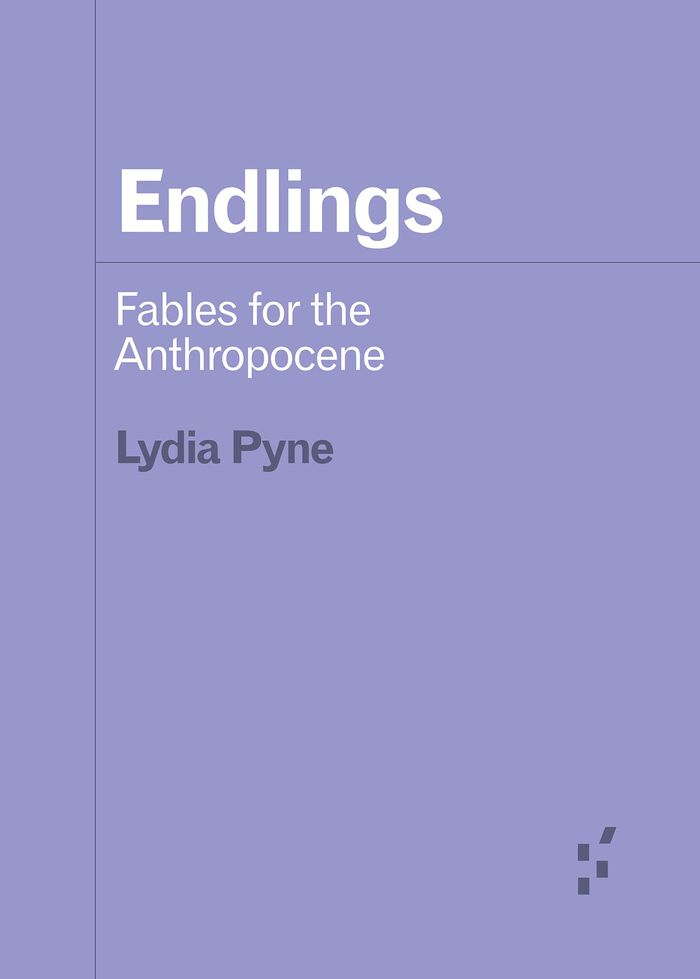
Endlings: Fables for the anthropocene
Actions:
Prix:
$13.99
(disponible en magasin)
Résumé:
An endling is the last known individual of a species; when that individual dies, the species becomes extinct. These "last individuals" are poignant characters in the stories that humans tell themselves about today’s Anthropocene. In this evocative work, Lydia Pyne explores how discussion about endlings draws on deep traditions of storytelling across a variety of narrative types that go well beyond the science of these species’ biology or their evolutionary history. It provides a useful and thoughtful discussion of species concepts: how species start and how (and why) they end, what it means to be a "charismatic" species, the effects of rewilding, and what makes species extinction different in this era.
Endlings: Fables for the anthropocene
Actions:
Prix:
$13.99
(disponible en magasin)
Résumé:
An endling is the last known individual of a species; when that individual dies, the species becomes extinct. These "last individuals" are poignant characters in the stories that humans tell themselves about today’s Anthropocene. In this evocative work, Lydia Pyne explores how discussion about endlings draws on deep traditions of storytelling across a variety of narrative types that go well beyond the science of these species’ biology or their evolutionary history. It provides a useful and thoughtful discussion of species concepts: how species start and how (and why) they end, what it means to be a "charismatic" species, the effects of rewilding, and what makes species extinction different in this era.
Classification:
livres
livres
Publication:
janvier 2023
janvier 2023
Sujet:
Théorie/ philosophie
Théorie/ philosophie
Classification:
livres
livres

Actions:
Prix:
$41.95
(disponible en magasin)
Résumé:
Contemporary artist Roni Horn first visited Iceland in 1975 at the age of nineteen, and since then, the island’s treeless expanse has had an enduring hold on Horn’s creative work. Through a series of remarkable and poetic reflections, vignettes, episodes, and illustrated essays,this publication distills the artist’s lifelong experience of Iceland’s natural environment.(...)
$41.95
(disponible en magasin)
Résumé:
Contemporary artist Roni Horn first visited Iceland in 1975 at the age of nineteen, and since then, the island’s treeless expanse has had an enduring hold on Horn’s creative work. Through a series of remarkable and poetic reflections, vignettes, episodes, and illustrated essays,this publication distills the artist’s lifelong experience of Iceland’s natural environment.(...)
Titre:
Island zombie: Iceland writings
Actions:
Prix:
$41.95
(disponible en magasin)
Résumé:
Contemporary artist Roni Horn first visited Iceland in 1975 at the age of nineteen, and since then, the island’s treeless expanse has had an enduring hold on Horn’s creative work. Through a series of remarkable and poetic reflections, vignettes, episodes, and illustrated essays,this publication distills the artist’s lifelong experience of Iceland’s natural environment. Together, these pieces offer an unforgettable exploration of the indefinable and inescapable force of remote, elemental places, and provide a sustained look at how an island and its atmosphere can take possession of the innermost self.
Island zombie: Iceland writings
Actions:
Prix:
$41.95
(disponible en magasin)
Résumé:
Contemporary artist Roni Horn first visited Iceland in 1975 at the age of nineteen, and since then, the island’s treeless expanse has had an enduring hold on Horn’s creative work. Through a series of remarkable and poetic reflections, vignettes, episodes, and illustrated essays,this publication distills the artist’s lifelong experience of Iceland’s natural environment. Together, these pieces offer an unforgettable exploration of the indefinable and inescapable force of remote, elemental places, and provide a sustained look at how an island and its atmosphere can take possession of the innermost self.
Classification:
livres
livres
Publication:
mars 2023
mars 2023
Classification:
livres
livres
Actions:
Prix:
$37.95
(disponible sur commande)
Résumé:
Les cinq penseurs présentés ici par Patrick Chastenet partagent le même amour de la liberté et de la nature. Trois se réclament de l’anarchisme, deux en sont proches, tous ont profondément enrichi le terreau libertaire de l’écologie politique. L’auteur s’est lié d’amitié avec Jacques Ellul, dont il est un spécialiste reconnu. Il a sympathisé avec Ivan Illich et Bernard(...)
$37.95
(disponible sur commande)
Résumé:
Les cinq penseurs présentés ici par Patrick Chastenet partagent le même amour de la liberté et de la nature. Trois se réclament de l’anarchisme, deux en sont proches, tous ont profondément enrichi le terreau libertaire de l’écologie politique. L’auteur s’est lié d’amitié avec Jacques Ellul, dont il est un spécialiste reconnu. Il a sympathisé avec Ivan Illich et Bernard(...)
Titre:
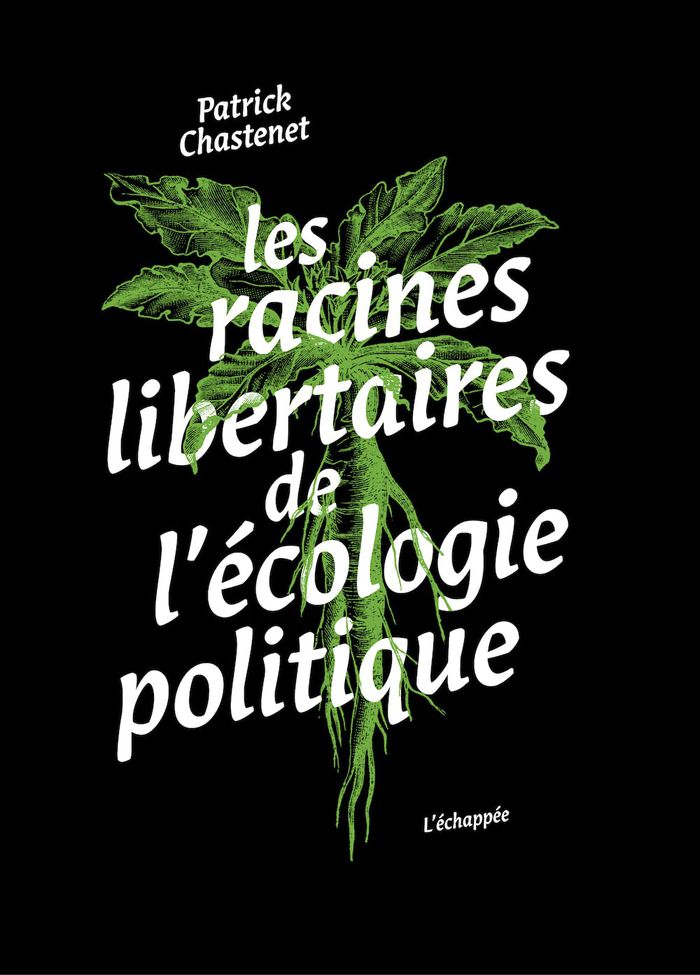
Les racines libertaires de l'écologie politique
Actions:
Prix:
$37.95
(disponible sur commande)
Résumé:
Les cinq penseurs présentés ici par Patrick Chastenet partagent le même amour de la liberté et de la nature. Trois se réclament de l’anarchisme, deux en sont proches, tous ont profondément enrichi le terreau libertaire de l’écologie politique. L’auteur s’est lié d’amitié avec Jacques Ellul, dont il est un spécialiste reconnu. Il a sympathisé avec Ivan Illich et Bernard Charbonneau avant de découvrir les œuvres d’Élisée Reclus et de Murray Bookchin. Son livre, rigoureux et vivant, nous introduit aux pensées de ces précurseurs encore trop méconnues mais dont l’actualité n’a pas fini de nous étonner.
Les racines libertaires de l'écologie politique
Actions:
Prix:
$37.95
(disponible sur commande)
Résumé:
Les cinq penseurs présentés ici par Patrick Chastenet partagent le même amour de la liberté et de la nature. Trois se réclament de l’anarchisme, deux en sont proches, tous ont profondément enrichi le terreau libertaire de l’écologie politique. L’auteur s’est lié d’amitié avec Jacques Ellul, dont il est un spécialiste reconnu. Il a sympathisé avec Ivan Illich et Bernard Charbonneau avant de découvrir les œuvres d’Élisée Reclus et de Murray Bookchin. Son livre, rigoureux et vivant, nous introduit aux pensées de ces précurseurs encore trop méconnues mais dont l’actualité n’a pas fini de nous étonner.
Classification:
livres
livres
Publication:
mars 2023
mars 2023
Sujet:
Théorie/ philosophie
Théorie/ philosophie
Classification:
livres
livres

Actions:
Prix:
$29.95
(disponible en magasin)
Résumé:
Ce livre se propose de sauver la puissance de dérangement que constitue l'œuvre de Guy Debord : y sont examinés entre autres la fin de l’art et la fin de la politique, sa lecture de Marx, sa contribution à la réflexion historique, les parallélismes possibles (ou pas) avec les écrits de Theodor Adorno, Hannah Arendt et Jean Baudrillard. Sa curieuse récupération par le(...)
$29.95
(disponible en magasin)
Résumé:
Ce livre se propose de sauver la puissance de dérangement que constitue l'œuvre de Guy Debord : y sont examinés entre autres la fin de l’art et la fin de la politique, sa lecture de Marx, sa contribution à la réflexion historique, les parallélismes possibles (ou pas) avec les écrits de Theodor Adorno, Hannah Arendt et Jean Baudrillard. Sa curieuse récupération par le(...)
Titre:
Un complot permanent contre le monde entier : Essais sur Guy Debord
Actions:
Prix:
$29.95
(disponible en magasin)
Résumé:
Ce livre se propose de sauver la puissance de dérangement que constitue l'œuvre de Guy Debord : y sont examinés entre autres la fin de l’art et la fin de la politique, sa lecture de Marx, sa contribution à la réflexion historique, les parallélismes possibles (ou pas) avec les écrits de Theodor Adorno, Hannah Arendt et Jean Baudrillard. Sa curieuse récupération par le monde de l’art y est évoquée, ainsi que la question de son «actualité». Les gens les plus différents se revendiquent de Debord et des situationnistes : il convient de leur rappeler que l’auteur de «La Société du spectacle» a toujours voulu s’opposer au monde entier, ou presque. Après la lecture de ces textes, les historiens comme les artistes, les militants comme les cinéastes se demanderont s’ils ont bien fait de compter Debord parmi leurs amis.
Un complot permanent contre le monde entier : Essais sur Guy Debord
Actions:
Prix:
$29.95
(disponible en magasin)
Résumé:
Ce livre se propose de sauver la puissance de dérangement que constitue l'œuvre de Guy Debord : y sont examinés entre autres la fin de l’art et la fin de la politique, sa lecture de Marx, sa contribution à la réflexion historique, les parallélismes possibles (ou pas) avec les écrits de Theodor Adorno, Hannah Arendt et Jean Baudrillard. Sa curieuse récupération par le monde de l’art y est évoquée, ainsi que la question de son «actualité». Les gens les plus différents se revendiquent de Debord et des situationnistes : il convient de leur rappeler que l’auteur de «La Société du spectacle» a toujours voulu s’opposer au monde entier, ou presque. Après la lecture de ces textes, les historiens comme les artistes, les militants comme les cinéastes se demanderont s’ils ont bien fait de compter Debord parmi leurs amis.
Classification:
livres
livres
Publication:
avril 2023
avril 2023
Sujet:
Théorie/ philosophie
Théorie/ philosophie
Classification:
livres
livres

Titre:
The society of the spectacle
The society of the spectacle
Actions:
Prix:
$17.95
(disponible sur commande)
Résumé:
First published in 1967, Guy Debord's stinging revolutionary critique of contemporary society, ''The society of the spectacle'' has since acquired a cult status. The ''Das Kapital'' of the 20th century. An essential text, and the main theoretical work of the Situationists. Few works of political and cultural theory have been as enduringly provocative. From its publication(...)
$17.95
(disponible sur commande)
Résumé:
First published in 1967, Guy Debord's stinging revolutionary critique of contemporary society, ''The society of the spectacle'' has since acquired a cult status. The ''Das Kapital'' of the 20th century. An essential text, and the main theoretical work of the Situationists. Few works of political and cultural theory have been as enduringly provocative. From its publication(...)
Titre:
The society of the spectacle
Actions:
Prix:
$17.95
(disponible sur commande)
Résumé:
First published in 1967, Guy Debord's stinging revolutionary critique of contemporary society, ''The society of the spectacle'' has since acquired a cult status. The ''Das Kapital'' of the 20th century. An essential text, and the main theoretical work of the Situationists. Few works of political and cultural theory have been as enduringly provocative. From its publication amid the social upheavals of the 1960's up to the present, the volatile theses of this book have decisively transformed debates on the shape of modernity, capitalism, and everyday life.
The society of the spectacle
Actions:
Prix:
$17.95
(disponible sur commande)
Résumé:
First published in 1967, Guy Debord's stinging revolutionary critique of contemporary society, ''The society of the spectacle'' has since acquired a cult status. The ''Das Kapital'' of the 20th century. An essential text, and the main theoretical work of the Situationists. Few works of political and cultural theory have been as enduringly provocative. From its publication amid the social upheavals of the 1960's up to the present, the volatile theses of this book have decisively transformed debates on the shape of modernity, capitalism, and everyday life.
Classification:
livres
livres
Publication:
mai 2021
mai 2021
Sujet:
Théorie/ philosophie
Théorie/ philosophie
Classification:
livres
livres
Actions:
Prix:
$28.95
(disponible sur commande)
Résumé:
Au tournant des XVIIIe et XIXe siècles, des sphères jusqu’alors exclues de la politique, comme la santé, la sexualité ou la natalité, sont investies par de nouveaux processus de pouvoir : c’est le début de la biopolitique. Forgé par Michel Foucalt dans les années 1970, ce concept essaime désormais dans toutes les sciences sociales et donne lieu à de multiples(...)
$28.95
(disponible sur commande)
Résumé:
Au tournant des XVIIIe et XIXe siècles, des sphères jusqu’alors exclues de la politique, comme la santé, la sexualité ou la natalité, sont investies par de nouveaux processus de pouvoir : c’est le début de la biopolitique. Forgé par Michel Foucalt dans les années 1970, ce concept essaime désormais dans toutes les sciences sociales et donne lieu à de multiples(...)
Titre:
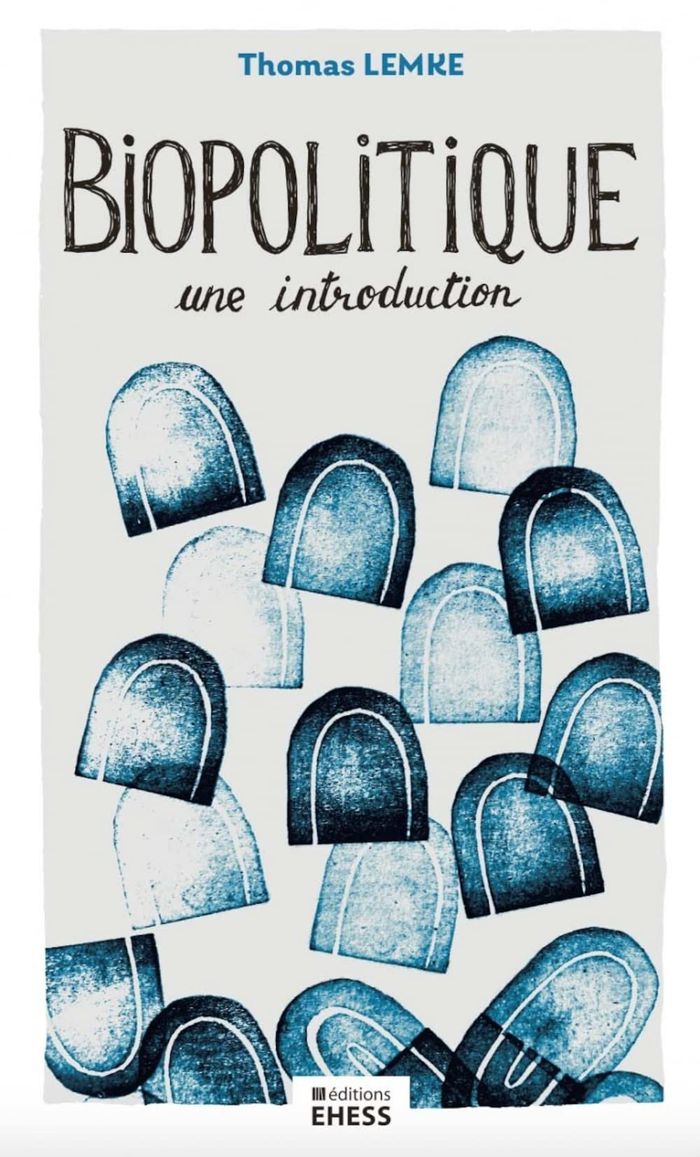
Biopolitique : une introduction
Actions:
Prix:
$28.95
(disponible sur commande)
Résumé:
Au tournant des XVIIIe et XIXe siècles, des sphères jusqu’alors exclues de la politique, comme la santé, la sexualité ou la natalité, sont investies par de nouveaux processus de pouvoir : c’est le début de la biopolitique. Forgé par Michel Foucalt dans les années 1970, ce concept essaime désormais dans toutes les sciences sociales et donne lieu à de multiples interprétations.Thomas Lemke en retrace l’histoire et discute les travaux d’auteurs et autrices incontournables. Ce livre constitue une introduction claire et rigoureuse à une notion féconde pour comprendre notre temps : les épidémies, le changement climatique, les avancées biotechnologiques, ou encore les pratiques de résistance centrées sur la vie et le corps, suggèrent que la biopolitique est promise à un long avenir.
Biopolitique : une introduction
Actions:
Prix:
$28.95
(disponible sur commande)
Résumé:
Au tournant des XVIIIe et XIXe siècles, des sphères jusqu’alors exclues de la politique, comme la santé, la sexualité ou la natalité, sont investies par de nouveaux processus de pouvoir : c’est le début de la biopolitique. Forgé par Michel Foucalt dans les années 1970, ce concept essaime désormais dans toutes les sciences sociales et donne lieu à de multiples interprétations.Thomas Lemke en retrace l’histoire et discute les travaux d’auteurs et autrices incontournables. Ce livre constitue une introduction claire et rigoureuse à une notion féconde pour comprendre notre temps : les épidémies, le changement climatique, les avancées biotechnologiques, ou encore les pratiques de résistance centrées sur la vie et le corps, suggèrent que la biopolitique est promise à un long avenir.
Classification:
livres
livres
Publication:
mai 2023
mai 2023
Sujet:
Théorie/ philosophie
Théorie/ philosophie
Classification:
livres
livres
Prix:
$42.95
(disponible sur commande)
Résumé:
Contributions rendant hommage à l'architecte André Corboz et à sa posture originale dans le milieu scientifique. Une posture qui favorise le savoir autodidacte, qui refuse les frontières disciplinaires pour jouir d'une totale liberté de penser et dériver d'un champ à l'autre au gré de ses intérêts et interrogations.
$42.95
(disponible sur commande)
Résumé:
Contributions rendant hommage à l'architecte André Corboz et à sa posture originale dans le milieu scientifique. Une posture qui favorise le savoir autodidacte, qui refuse les frontières disciplinaires pour jouir d'une totale liberté de penser et dériver d'un champ à l'autre au gré de ses intérêts et interrogations.
Publication:
août 2010
août 2010
Titre:
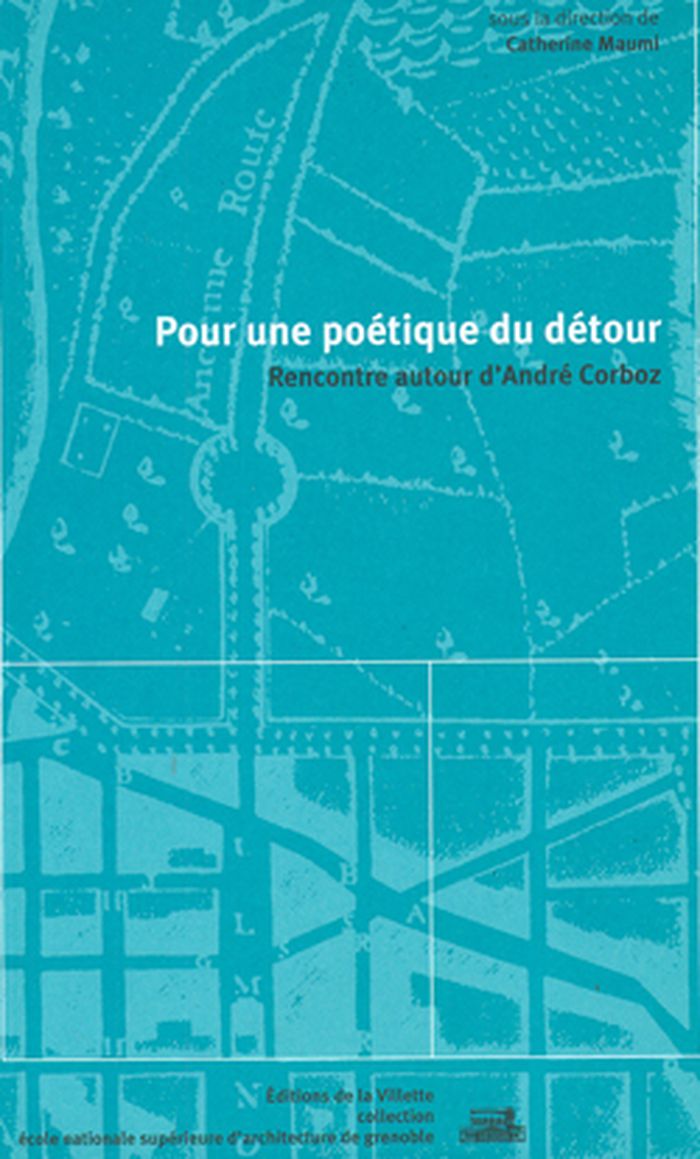
Pour une poétique du détour: rencontre autour d'André Corboz
Actions:
Prix:
$42.95
(disponible sur commande)
Résumé:
Contributions rendant hommage à l'architecte André Corboz et à sa posture originale dans le milieu scientifique. Une posture qui favorise le savoir autodidacte, qui refuse les frontières disciplinaires pour jouir d'une totale liberté de penser et dériver d'un champ à l'autre au gré de ses intérêts et interrogations.
Pour une poétique du détour: rencontre autour d'André Corboz
Actions:
Prix:
$42.95
(disponible sur commande)
Résumé:
Contributions rendant hommage à l'architecte André Corboz et à sa posture originale dans le milieu scientifique. Une posture qui favorise le savoir autodidacte, qui refuse les frontières disciplinaires pour jouir d'une totale liberté de penser et dériver d'un champ à l'autre au gré de ses intérêts et interrogations.
Classification:
livres
livres
Publication:
août 2010
août 2010
Classification:
livres
livres

Actions:
Prix:
$15.95
(disponible en magasin)
Résumé:
Créée par la Fondation Cartier pour l'art contemporain, l'exposition Terre Natale, Ailleurs commence ici propose un dialogue entre le cinéaste Raymond Depardon et le philosophe Paul Virilio sur le rapport au natal, à l'enracinement et au déracinement, à une époque où les flux migratoires humains ont atteint une échelle sans précédent. Dans son film Donner la parole,(...)
$15.95
(disponible en magasin)
Résumé:
Créée par la Fondation Cartier pour l'art contemporain, l'exposition Terre Natale, Ailleurs commence ici propose un dialogue entre le cinéaste Raymond Depardon et le philosophe Paul Virilio sur le rapport au natal, à l'enracinement et au déracinement, à une époque où les flux migratoires humains ont atteint une échelle sans précédent. Dans son film Donner la parole,(...)
Publication:
octobre 2009
octobre 2009
Titre:
Terre natale, ailleurs commence ici
Actions:
Prix:
$15.95
(disponible en magasin)
Résumé:
Créée par la Fondation Cartier pour l'art contemporain, l'exposition Terre Natale, Ailleurs commence ici propose un dialogue entre le cinéaste Raymond Depardon et le philosophe Paul Virilio sur le rapport au natal, à l'enracinement et au déracinement, à une époque où les flux migratoires humains ont atteint une échelle sans précédent. Dans son film Donner la parole, réalisé avec Claudine Nougaret, Raymond Depardon laisse s'exprimer ceux qui, menacés de devoir partir, veulent demeurer sur leur terre. Les artistes et architectes Diller Scofidio + Renfro, Mark Hansen, Laura Kurgan et Ben Rubin donnent forme aux concepts de Paul Virilio avec la création d'une cartographie dynamique qui rend compte des migrations environnementales, politiques et économiques. Publiés pour la première fois dans le catalogue Terre Natale (prix Nomad's 2009), les textes présentés ici permettent d'explorer les problématiques soulevées dans l'exposition. Accompagnés de vues d'exposition, ils constituent un véritable outil de réflexion sur les notions de nomadisme et de sédentarité, ainsi que sur les questions identitaires qui leur sont attachées.
Terre natale, ailleurs commence ici
Actions:
Prix:
$15.95
(disponible en magasin)
Résumé:
Créée par la Fondation Cartier pour l'art contemporain, l'exposition Terre Natale, Ailleurs commence ici propose un dialogue entre le cinéaste Raymond Depardon et le philosophe Paul Virilio sur le rapport au natal, à l'enracinement et au déracinement, à une époque où les flux migratoires humains ont atteint une échelle sans précédent. Dans son film Donner la parole, réalisé avec Claudine Nougaret, Raymond Depardon laisse s'exprimer ceux qui, menacés de devoir partir, veulent demeurer sur leur terre. Les artistes et architectes Diller Scofidio + Renfro, Mark Hansen, Laura Kurgan et Ben Rubin donnent forme aux concepts de Paul Virilio avec la création d'une cartographie dynamique qui rend compte des migrations environnementales, politiques et économiques. Publiés pour la première fois dans le catalogue Terre Natale (prix Nomad's 2009), les textes présentés ici permettent d'explorer les problématiques soulevées dans l'exposition. Accompagnés de vues d'exposition, ils constituent un véritable outil de réflexion sur les notions de nomadisme et de sédentarité, ainsi que sur les questions identitaires qui leur sont attachées.
Classification:
livres
livres
Publication:
octobre 2009
octobre 2009
Classification:
livres
livres

Titre:
Mourning diary
Mourning diary
Actions:
Prix:
$27.50
(disponible sur commande)
Résumé:
The day after his mother’s death in October 1977, the influential philosopher Roland Barthes began a diary of mourning. Taking notes on index cards as was his habit, he reflected on a new solitude, on the ebb and flow of sadness, and on modern society’s dismissal of grief. These 330 cards, published here for the first time, prove a skeleton key to the themes he tackled(...)
$27.50
(disponible sur commande)
Résumé:
The day after his mother’s death in October 1977, the influential philosopher Roland Barthes began a diary of mourning. Taking notes on index cards as was his habit, he reflected on a new solitude, on the ebb and flow of sadness, and on modern society’s dismissal of grief. These 330 cards, published here for the first time, prove a skeleton key to the themes he tackled(...)
Titre:
Mourning diary
Actions:
Prix:
$27.50
(disponible sur commande)
Résumé:
The day after his mother’s death in October 1977, the influential philosopher Roland Barthes began a diary of mourning. Taking notes on index cards as was his habit, he reflected on a new solitude, on the ebb and flow of sadness, and on modern society’s dismissal of grief. These 330 cards, published here for the first time, prove a skeleton key to the themes he tackled throughout his work. Behind the unflagging mind, “the most consistently intelligent, important, lay a deeply sensitive man who cherished his mother with a devotion unknown even to his closest friends.
Mourning diary
Actions:
Prix:
$27.50
(disponible sur commande)
Résumé:
The day after his mother’s death in October 1977, the influential philosopher Roland Barthes began a diary of mourning. Taking notes on index cards as was his habit, he reflected on a new solitude, on the ebb and flow of sadness, and on modern society’s dismissal of grief. These 330 cards, published here for the first time, prove a skeleton key to the themes he tackled throughout his work. Behind the unflagging mind, “the most consistently intelligent, important, lay a deeply sensitive man who cherished his mother with a devotion unknown even to his closest friends.
Classification:
livres
livres
Publication:
novembre 2010
novembre 2010
Sujet:
Théorie/ philosophie
Théorie/ philosophie
Classification:
livres
livres
Titre:
Mythologies
Mythologies
Actions:
Prix:
$17.95
(disponible sur commande)
Résumé:
Notre vie quotidienne se nourrit de mythes : le catch, le strip-tease, l'auto, la publicité, le tourisme... qui bientôt nous débordent. Isolés de l'actualité qui les fait naître, l'abus idéologique qu'ils recèlent apparaît soudain. Roland Barthes en rend compte ici avec le souci - formulé dans l'essai sur le mythe aujourd'hui qui clôt l'ouvrage - de réconcilier le réel et(...)
$17.95
(disponible sur commande)
Résumé:
Notre vie quotidienne se nourrit de mythes : le catch, le strip-tease, l'auto, la publicité, le tourisme... qui bientôt nous débordent. Isolés de l'actualité qui les fait naître, l'abus idéologique qu'ils recèlent apparaît soudain. Roland Barthes en rend compte ici avec le souci - formulé dans l'essai sur le mythe aujourd'hui qui clôt l'ouvrage - de réconcilier le réel et(...)
Titre:
Mythologies
Actions:
Prix:
$17.95
(disponible sur commande)
Résumé:
Notre vie quotidienne se nourrit de mythes : le catch, le strip-tease, l'auto, la publicité, le tourisme... qui bientôt nous débordent. Isolés de l'actualité qui les fait naître, l'abus idéologique qu'ils recèlent apparaît soudain. Roland Barthes en rend compte ici avec le souci - formulé dans l'essai sur le mythe aujourd'hui qui clôt l'ouvrage - de réconcilier le réel et les hommes, la description et l'explication, l'objet et le savoir.
Mythologies
Actions:
Prix:
$17.95
(disponible sur commande)
Résumé:
Notre vie quotidienne se nourrit de mythes : le catch, le strip-tease, l'auto, la publicité, le tourisme... qui bientôt nous débordent. Isolés de l'actualité qui les fait naître, l'abus idéologique qu'ils recèlent apparaît soudain. Roland Barthes en rend compte ici avec le souci - formulé dans l'essai sur le mythe aujourd'hui qui clôt l'ouvrage - de réconcilier le réel et les hommes, la description et l'explication, l'objet et le savoir.
Classification:
livres
livres
Publication:
janvier 1967
janvier 1967
Sujet:
Théorie/ philosophie
Théorie/ philosophie


